200+ Professional Fishing Courses from Expert Captains and Guides
Stop guessing. Start fishing with the confidence of a professional.
Offshore and Bluewater Fishing
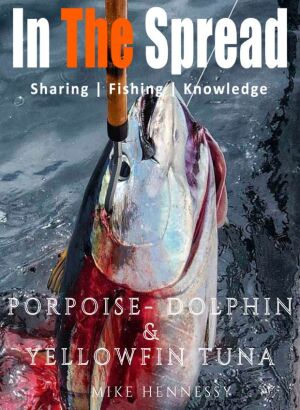
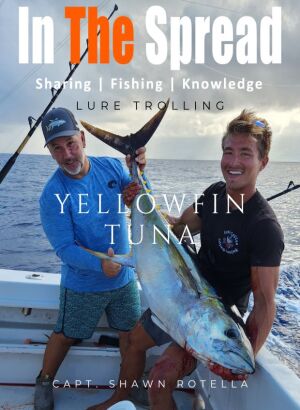
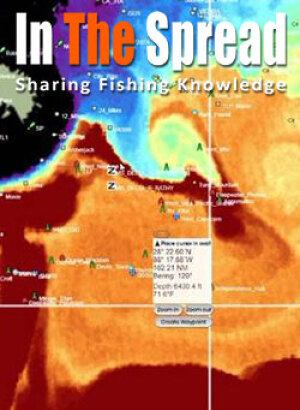
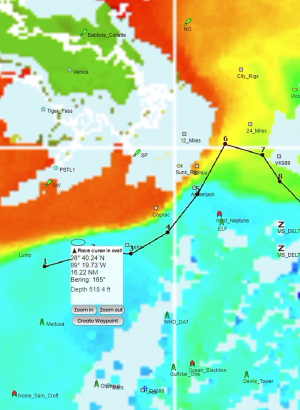
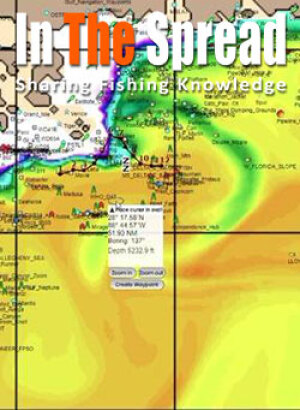
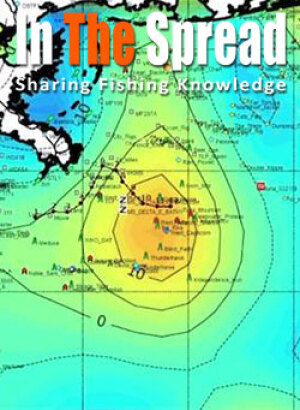
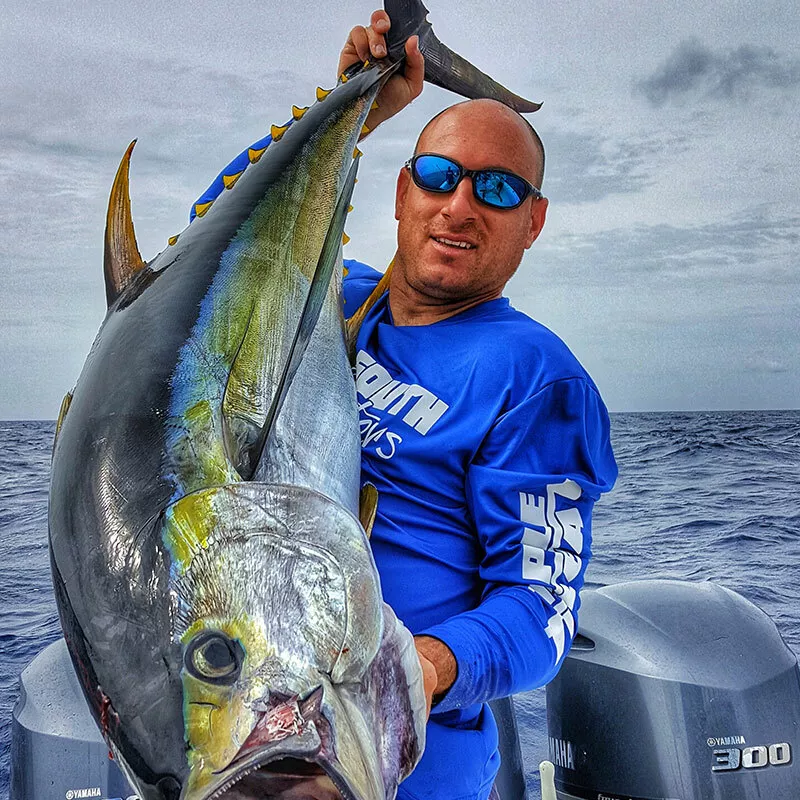
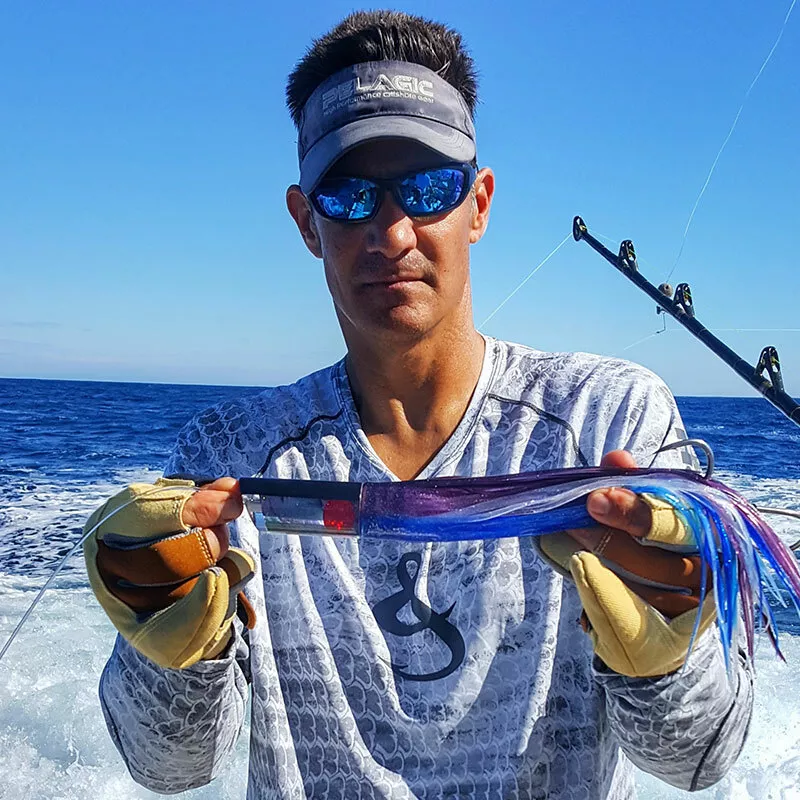
Our offshore courses cover the full spectrum of bluewater fishing, from the Gulf of Mexico and South Florida to the Caribbean, Mid-Atlantic, and beyond. You will learn trolling strategies for yellowfin tuna and bluefin tuna, including live bait chumming, chunking, and how to read sea surface temperature breaks and satellite chlorophyll charts to locate concentrations of pelagic fish.
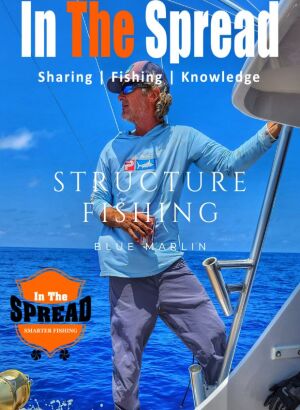
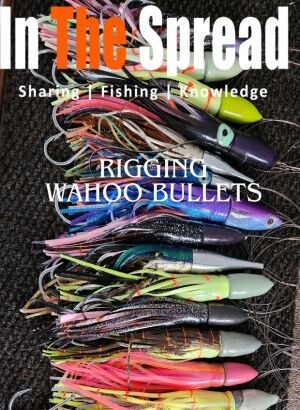
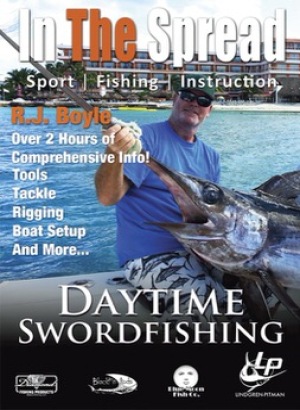
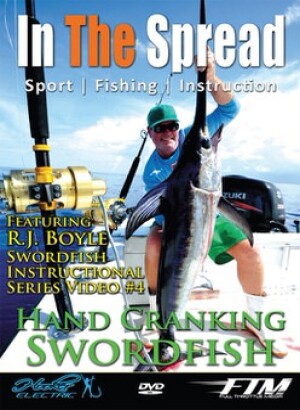
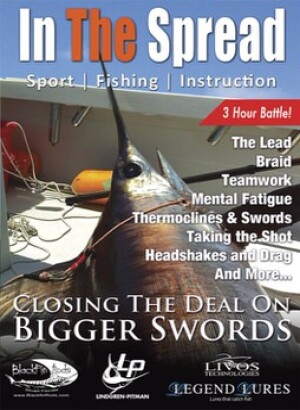
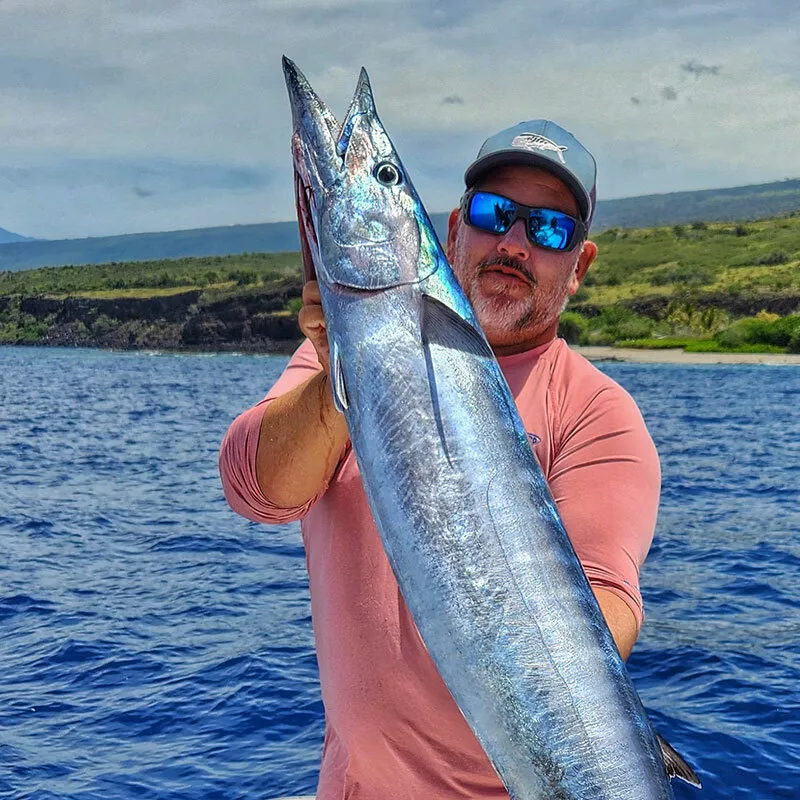
Blue marlin courses cover lure selection and spread setup, dredge fishing, fighting chair technique, and the decision-making that separates productive days from wasted fuel. Our swordfish courses, taught by world-record holder Captain RJ Boyle, break down both daytime and nighttime tactics for broadbill in deep water off South Florida. You will also find dedicated courses on wahoo covering high-speed and slow-trolling methods, sailfish techniques using kites and live bait, and dolphin (mahi-mahi) strategies for finding and staying on schools in open water.
Browse all offshore courses →Inshore and Nearshore Fishing
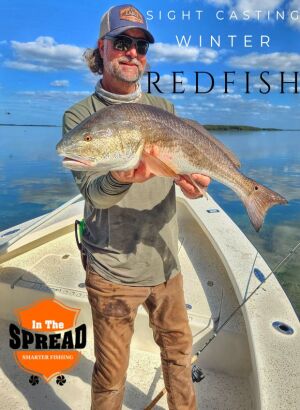
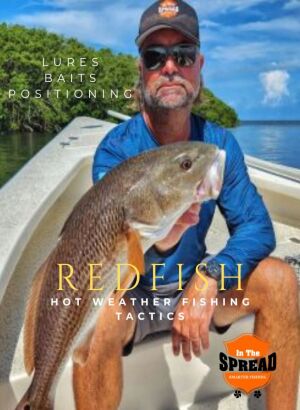
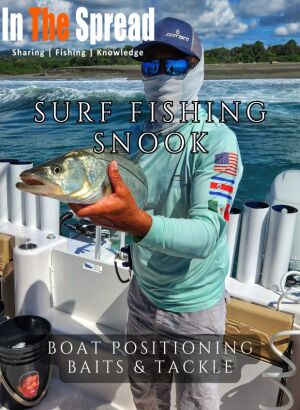
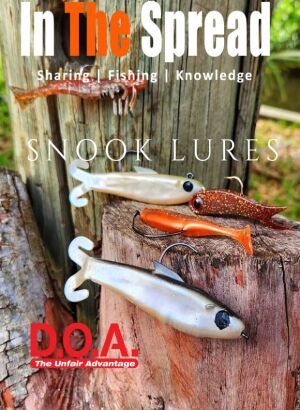
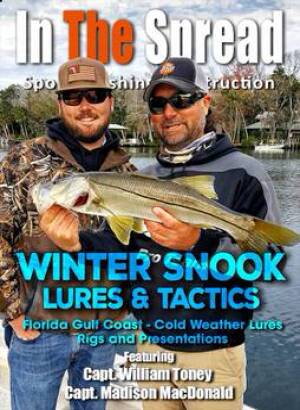
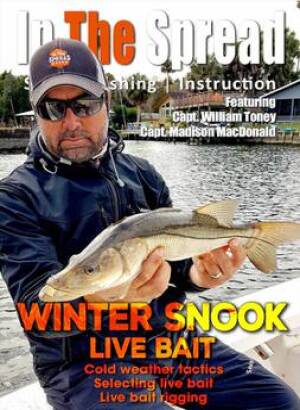
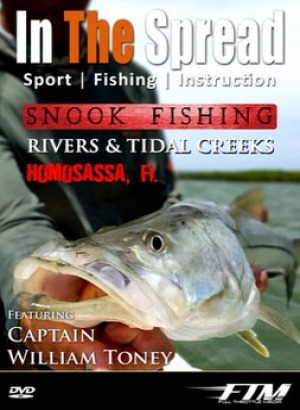
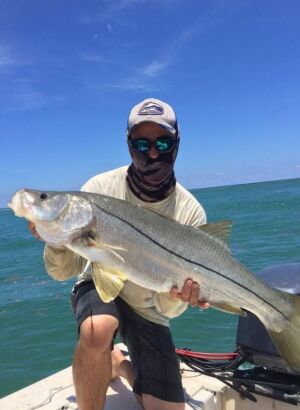
Inshore fishing demands a different set of skills than offshore, and our courses reflect that. Captain William Toney, a lifelong Homosassa, Florida guide, teaches an extensive series on redfish, seatrout, snook, and mangrove snapper covering seasonal patterns, tidal influence, live bait rigging, and how to read shallow water structure. His instruction is rooted in decades of daily guiding on Florida's Gulf Coast, where conditions change constantly and adaptability is everything.
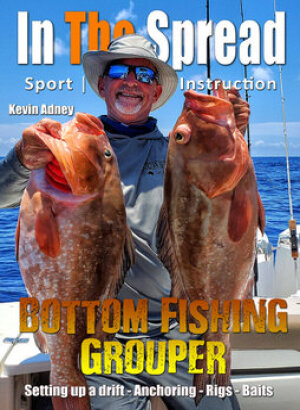
Beyond the flats and backcountry, our nearshore and reef courses cover grouper fishing on both natural and artificial structure, red snapper and mutton snapper tactics including bait selection and boat positioning for precise bottom presentations, cobia sight-fishing, permit on the flats, tarpon strategies across different seasons and environments, and sheepshead techniques for structure-oriented anglers. Several courses also focus specifically on reef and wreck fishing and bottom fishing fundamentals that apply across multiple species.
Browse all inshore courses →Freshwater Fishing
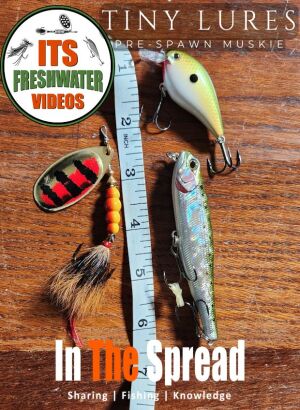
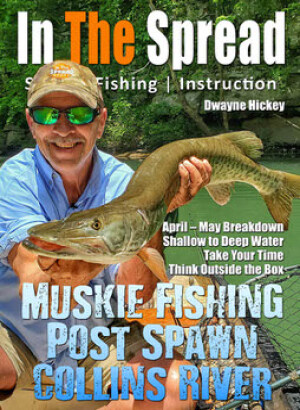
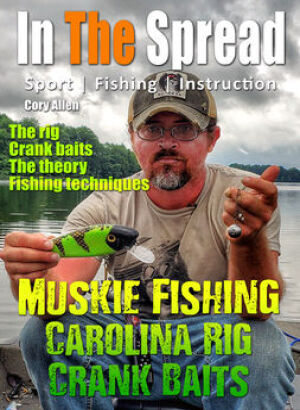
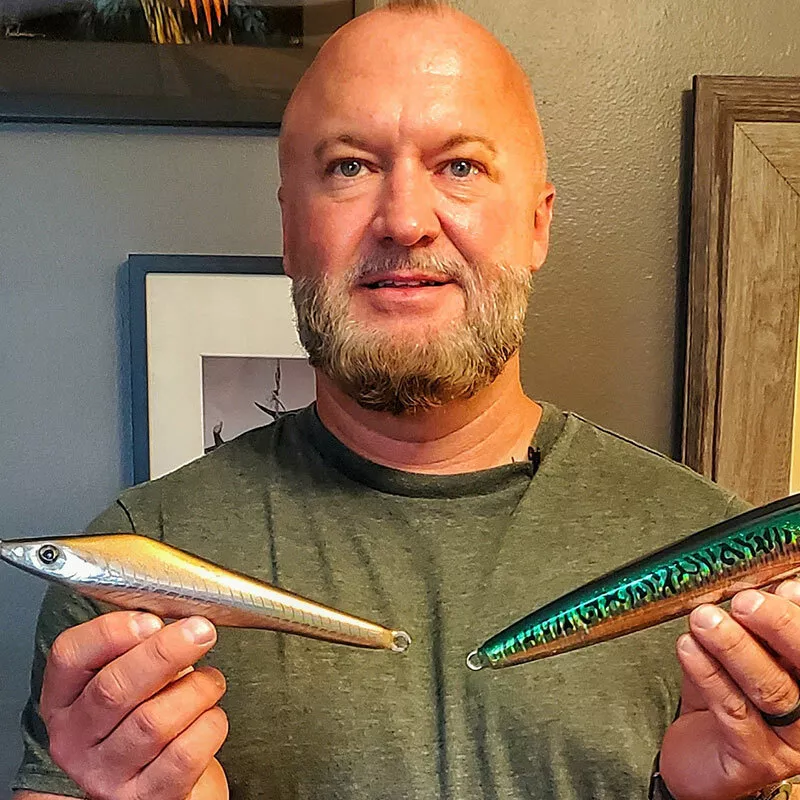
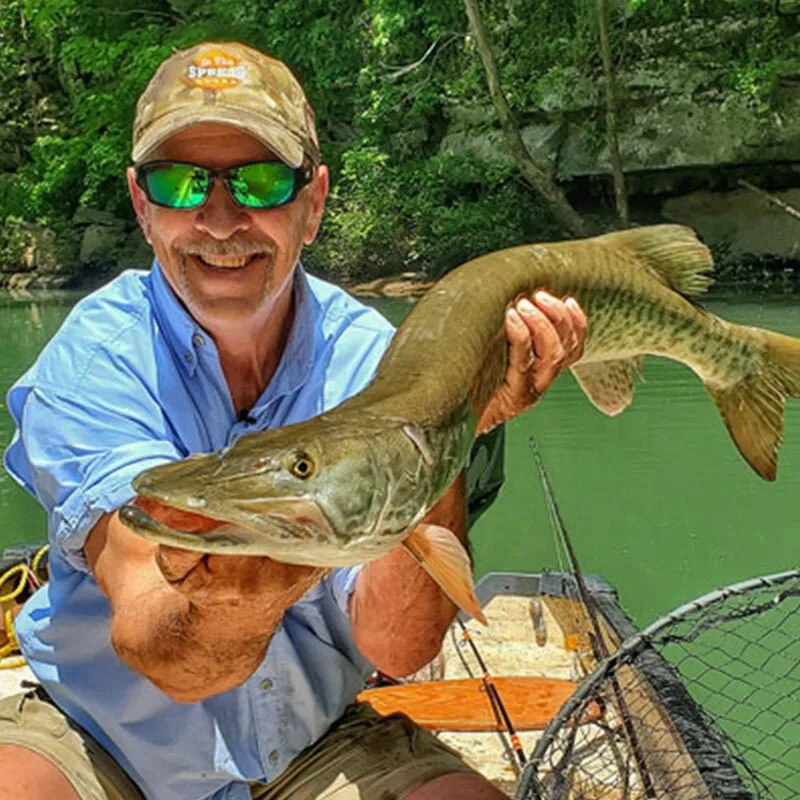
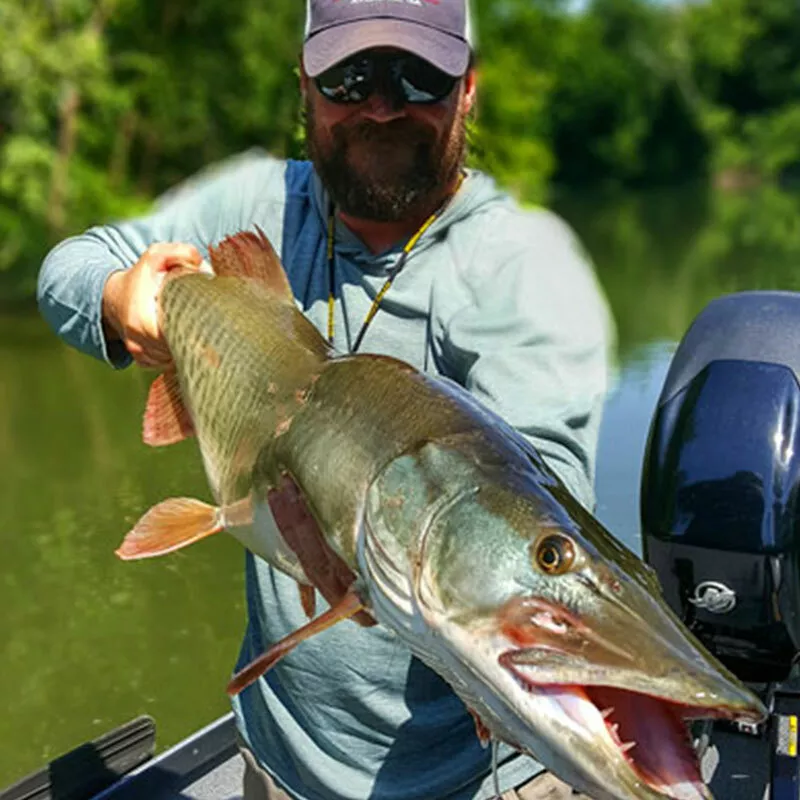
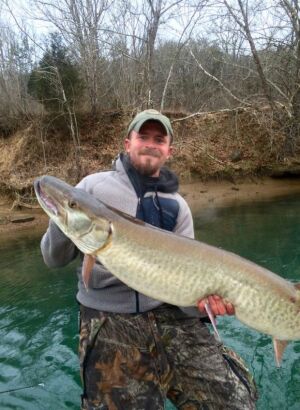
Our freshwater library is anchored by one of the most comprehensive muskie fishing course collections available anywhere online. Cory Allen, a nationally recognized muskie authority, teaches courses covering open water tactics, trolling techniques, glide baits, Carolina-rigged crankbaits, seasonal transitions, and how to break down lake structure including coves, cuts, and main-lake points. His instruction draws from years of guiding on Tennessee's muskie waters and the broader Southeast and Midwest fisheries.
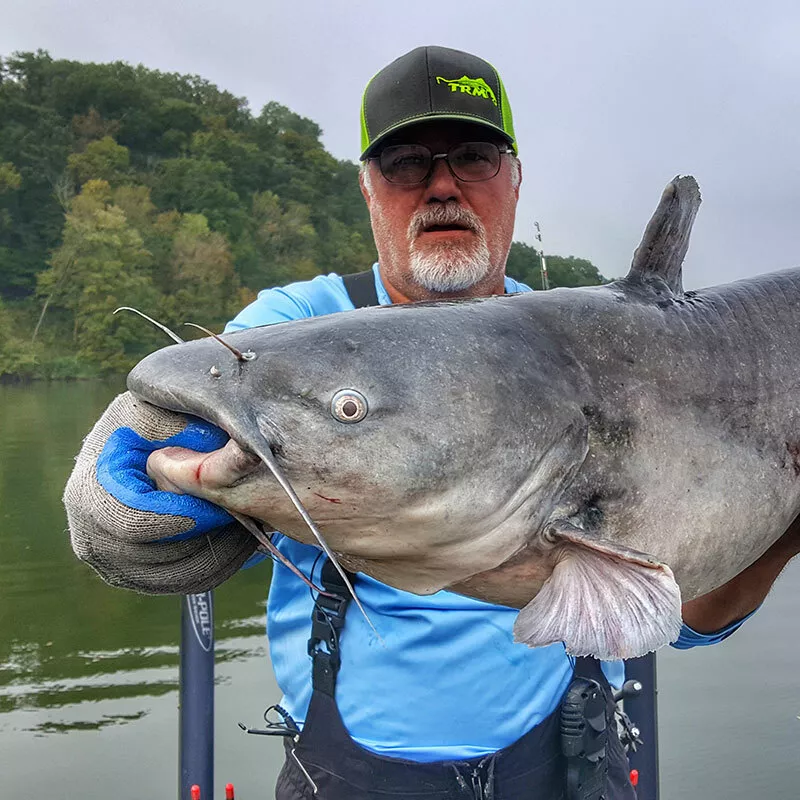
The freshwater library also includes largemouth bass and smallmouth bass courses for anglers looking to sharpen their approach, striped bass techniques for both landlocked reservoirs and coastal river systems, catfish strategies covering blue catfish and flatheads in heavy current, trout courses for stream and river anglers, and panfish instruction for year-round light tackle fishing. Whether you fish rivers, reservoirs, or natural lakes, the freshwater courses are built around the real-world conditions and seasonal patterns that determine where fish are and what triggers them to feed.
Browse all freshwater courses →Techniques, Tackle, and Boat Handling
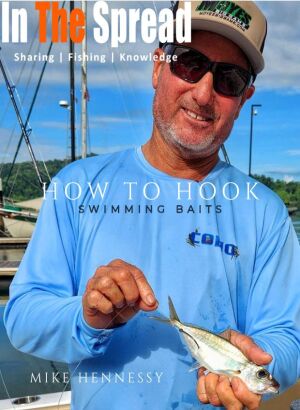
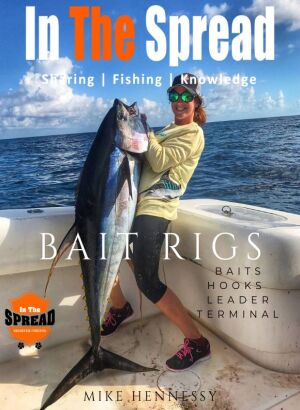
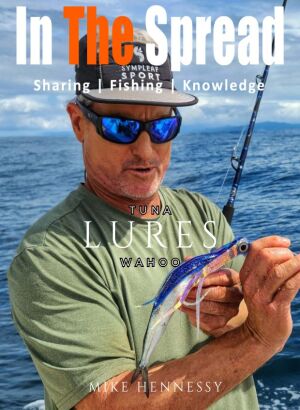
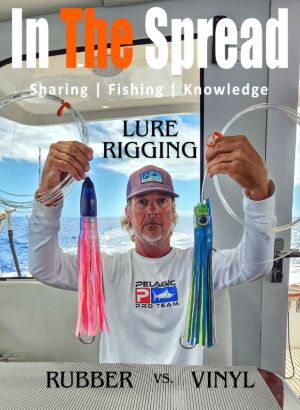
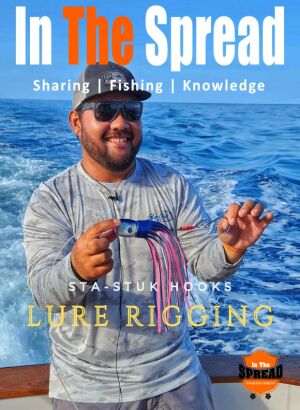
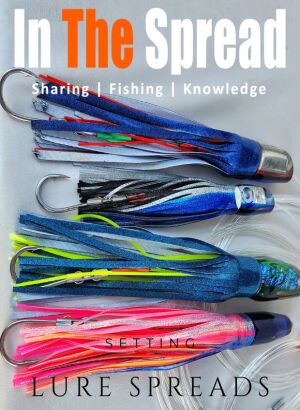
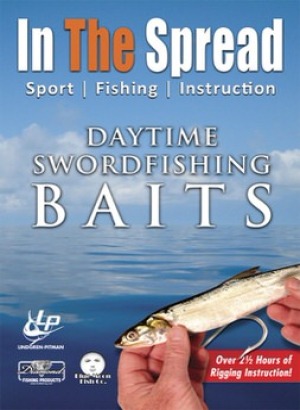
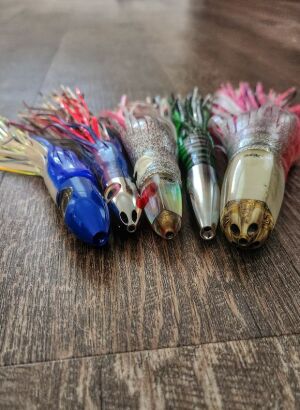
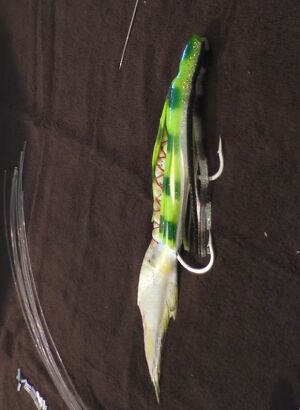
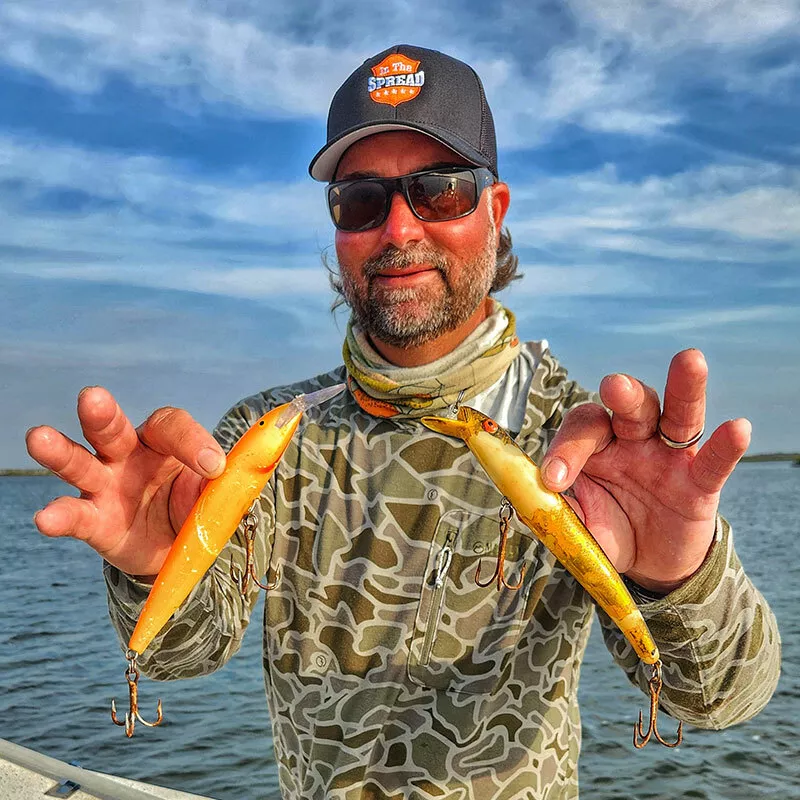
Some of the most valuable courses in the In The Spread library are not species-specific. They cover the foundational skills that make everything else work. Our bait rigging courses teach multiple methods for preparing ballyhoo, live bait, and cut bait for both trolling and bottom fishing. Lure courses cover selection, rigging, and deployment for offshore trolling spreads, including how to match your presentation to water conditions and target species.
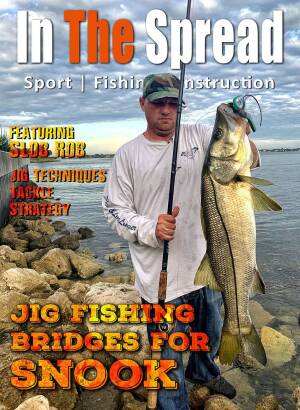
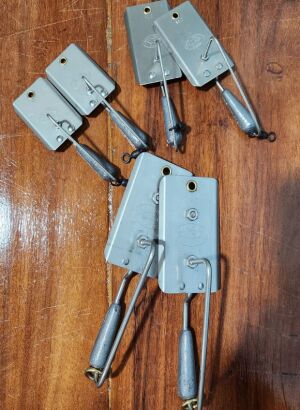
Boat positioning courses break down one of the most overlooked skills in fishing: how to set up on structure, manage drift in wind and current, and position your baits precisely where fish are feeding. You will also find courses on planer fishing for getting baits into the mid-water column, jigging techniques for both vertical and lateral presentations, tackle selection and maintenance, fighting chair techniques for big game species, and how to use satellite fishing maps to identify productive water before you leave the dock.
Browse technique courses →Who Teaches These Courses?
Every course on In The Spread is taught by a working captain, licensed guide, or professional angler with decades of species-specific experience. These are not social media personalities reading from a script. They are the fishermen other fishermen hire when they want to catch fish. Meet All Instructors →
Choose Your Plan
Full access to professional fishing courses taught by expert captains and guides. Cancel anytime.
All freshwater courses and new releases
- Muskie, bass, catfish, trout, and panfish courses
- New courses added regularly
- Stream on any device
- Professional guide instruction
All saltwater courses and new releases
- Tuna, marlin, wahoo, swordfish, redfish, snook, snapper, and more
- New courses added regularly
- Stream on any device
- Tournament captain instruction
Every saltwater and freshwater course in the library
- Full saltwater and freshwater course library
- New courses added regularly
- Stream on any device
- 200+ professional courses
Every plan includes full access to your chosen library with new courses added regularly.
No long-term contracts. Cancel anytime.
Frequently Asked Questions
Have questions about billing, cancellation, or your account? Visit our membership FAQ.
What is In The Spread?
In The Spread is a subscription-based fishing education platform offering 200+ professional video courses. Every course is taught by a working professional, including tournament-winning offshore captains and full-time inshore and freshwater guides.
The library covers saltwater species like yellowfin tuna, blue marlin, wahoo, swordfish, redfish, snook, and tarpon, as well as freshwater species like muskie, largemouth bass, and catfish. Unlike free YouTube content, each course is a structured, multi-part lesson that breaks down specific techniques into steps you can immediately apply on the water.
How much does In The Spread cost?
In The Spread offers three subscription tiers. Saltwater plans are $22.95 per month or $229.50 per year. Freshwater plans are $17.95 per month or $179.50 per year. The All Access plan, which includes every saltwater and freshwater course, is $27.95 per month or $279.50 per year.
Annual plans save approximately 17% compared to paying monthly. There are no long-term contracts, and you can cancel anytime.
What fishing species and techniques does In The Spread cover?
The In The Spread course library covers a wide range of saltwater and freshwater species and techniques. Offshore saltwater courses include yellowfin tuna, bluefin tuna, blue marlin, swordfish, wahoo, sailfish, and dolphin (mahi-mahi). Inshore and nearshore saltwater courses cover redfish, snook, tarpon, seatrout, mangrove snapper, red snapper, mutton snapper, grouper, sheepshead, cobia, permit, and tripletail.
Freshwater courses include muskie, largemouth bass, smallmouth bass, striped bass, catfish, trout, and panfish. Technique-focused courses cover trolling, live baiting, jigging, bait rigging, dredge fishing, planer fishing, boat positioning, reading satellite charts, lure selection, and fighting chair techniques.
Who teaches the fishing courses on In The Spread?
Every In The Spread course is taught by a professional captain or guide with real-world expertise in their subject area. Instructors include Captain RJ Boyle, a world-record swordfish holder who teaches the platform's swordfishing and wahoo courses; Captain William Toney, a lifelong Homosassa, Florida inshore guide who covers redfish, seatrout, snook, and mangrove snapper; Cory Allen, one of the country's foremost muskie fishing authorities; and Kevin Hibbard, who shares decades of blue marlin tournament experience.
These are not social media personalities. They are working professionals who fish for a living and teach what they practice on the water every day.
How is In The Spread different from fishing videos on YouTube?
YouTube fishing videos are typically short, unstructured, and focused on entertainment. In The Spread courses are designed as structured, multi-part lessons that teach a specific technique or strategy from start to finish. Each course explains why a method works, when to use it, and how to adapt it to different conditions.
The instructors are professional captains and guides, not content creators, and the material is built to develop genuine skill rather than just show catches. The result is that you leave each course understanding the reasoning behind the technique, not just the surface-level steps.
Is In The Spread worth it for experienced anglers?
In The Spread is built for anglers who already take fishing seriously and want to get better at it. While beginners will learn a great deal, much of the course material covers advanced concepts like reading chlorophyll charts and sea surface temperature breaks, fine-tuning trolling spreads for specific pelagic species, understanding how tides and barometric pressure affect fish behavior, and adapting bait presentations to changing conditions.
The instructors teach at a professional level because that is the level at which they fish. Experienced anglers consistently find new techniques and approaches they have not encountered before, even in species they have been targeting for years.
Can I watch In The Spread courses on my phone or tablet?
Yes. In The Spread courses stream on any device with a web browser, including phones, tablets, laptops, and desktop computers. Many subscribers review courses on their phone or tablet the night before a fishing trip or even at the dock before heading out. Your subscription gives you unlimited access to rewatch any course in your plan as often as you want.
How often does In The Spread add new fishing courses?
In The Spread adds new courses regularly across both the saltwater and freshwater libraries. New content covers seasonal techniques, additional species, gear reviews, and advanced strategies from the platform's roster of professional instructors. Subscribers receive access to all new courses in their plan at no additional cost as soon as they are released.
Your Next Trip Is Coming. Be Ready for It.
Start Watching NowWhat Are You Fishing For?
Articles on tactics, rigging breakdowns, and seasonal strategies written by the captains, guides and instructors who teach our courses. New articles published weekly.
While many anglers pack away their rods for the season, dedicated redfish anglers know that winter is just beginning to get interesting. During the colder months, inshore fishing becomes more strategic—almost like a game of chess. Success often depends on understanding water temperatures, finding warmer refuge areas, and slowing down your presentation. When these factors come together, winter can produce some of the best redfish action of the entire year. After spending many years observing redfish behavior throughout winter along the Gulf Coast and Atlantic regions, one thing becomes clear: temperature controls everything. When you learn how redfish react to colder water and where they gather during the winter season, you’ll discover that fish tend to group up in predictable areas, often making them easier to locate than at any other time of the year.
Running a charter fishing business legally requires obtaining a USCG Merchant Mariner Credential (MMC) with the appropriate endorsements. Whether you plan to guide trips inshore or head offshore, it’s important to understand the key requirements—such as the 360 days of sea time, the licensing exams, and the overall costs involved. Knowing these steps in advance will help you create a clear and realistic timeline for starting your charter fishing business.
Fish Aggregating Devices (FADs) act like powerful attractors in the open ocean, encouraging natural behaviors that gather species such as marlin, tuna, mahi-mahi, and wahoo around fixed GPS locations. Many government programs in places like Hawaii, the Gulf of Mexico, and Caribbean regions maintain these devices and publicly share their coordinates, allowing anglers to approach offshore fishing with strategy rather than guesswork.
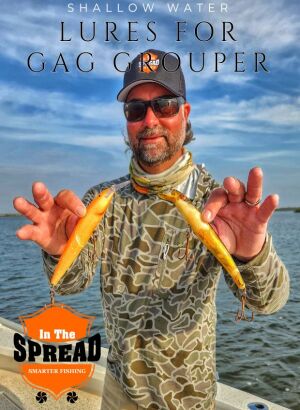
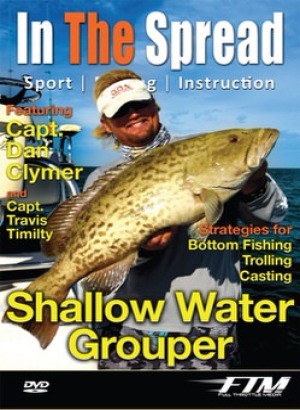
Homosassa’s spring-fed waters create outstanding opportunities for inshore fishing, offering everything from massive bull redfish to tarpon that can exceed 200 pounds. By understanding seasonal movements and using effective techniques like sight fishing and live bait, anglers can consistently find success. The area is also known for its rare shallow-water grouper fishery—something not found anywhere else along Florida’s Gulf Coast. The region’s famous tarpon fishery is also explored, including how it has declined over time and the conservation efforts aimed at protecting it.
Artificial intelligence can now forecast productive fishing areas with up to 92% accuracy, even eight days ahead of time. Commercial systems such as GreenFish have already demonstrated that this technology works in real-world fisheries. Governments are also investing heavily—South Korea has committed $106 million, and NOAA has implemented systems capable of identifying hooked fish before people can visually detect them. What once seemed experimental is now becoming practical for recreational offshore anglers as well, improving catch success, reducing fuel use, and giving fishermen a clear strategic edge.
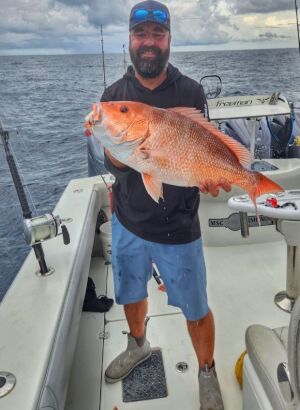
Successful red snapper fishing requires matching your bait to depth, target size, and conditions. Pinfish and pogies dominate for trophy fish, bonito strips excel in deep water, and vertical jigs avoid bait stealers. Learn proven techniques from Gulf and Atlantic charter captains for consistent catches on oil rigs, artificial reefs, and deep ledges.
Many anglers struggle to catch muskies in the spring because they overlook how closely fish location is tied to water temperature. During this time of year, muskies gather in specific staging areas before spawning and move to recovery zones afterward. However, they tend to react only to a limited range of lure presentations. The key difference between consistent success and repeated frustration lies in recognizing temperature changes, spotting subtle structural features, and adjusting your approach depending on whether the fish are pre-spawn, recovering, or transitioning. Spring muskie fishing isn’t about endlessly casting—it’s about positioning yourself to intercept fish when they are most concentrated and easiest to catch during the entire season.
Running a charter fishing business legally requires obtaining a USCG Merchant Mariner Credential (MMC) with the appropriate endorsements. Whether you plan to guide trips inshore or head offshore, it’s important to understand the key requirements—such as the 360 days of sea time, the licensing exams, and the overall costs involved. Knowing these steps in advance will help you create a clear and realistic timeline for starting your charter fishing business.
Knowing how muskies feed in the fall helps explain why this season often produces the largest fish of the year. As water temperatures begin to drop, muskellunge change where they position themselves and how they hunt, adjusting their behavior to conserve energy and follow migrating prey. These shifts create predictable seasonal patterns, rewarding anglers who recognize the changes and adapt their tactics accordingly.
Select the perfect fishing rod by understanding how action and power work together. This comprehensive guide helps you match rod characteristics to specific techniques and fish species, whether you're targeting bass in freshwater or marlin offshore. Learn how materials, components, and design impact performance for every angling scenario.
Today’s fishing forecasts use satellite imagery and environmental data to identify the best fishing conditions. By learning how to read factors like sea surface temperature, chlorophyll concentrations, and weather patterns, anglers can pinpoint productive fishing zones more quickly. These tools allow recreational fishermen to apply advanced strategies that were once available only to commercial fleets, greatly improving their chances of success on the water.
Cory Allen has returned to southern Illinois, bringing his trophy fish expertise to Kincaid Lake and Shelbyville Pyramid State Park. With multiple 50-inch catches to his name, Allen offers anglers unprecedented access to Illinois' premier muskellunge waters through his new specialized guide service.
Stop Guessing. Start Catching.
One subscription. 200+ courses. New lessons added every month.
See Plans and Pricing