
Professional captains use specific chumming techniques to concentrate mangrove snapper around offshore platforms and inshore structure. This breakdown covers the three main chumming methods, regional bait recipes including the Gulf Coast macaroni mix, and positioning strategies that trigger aggressive feeding.
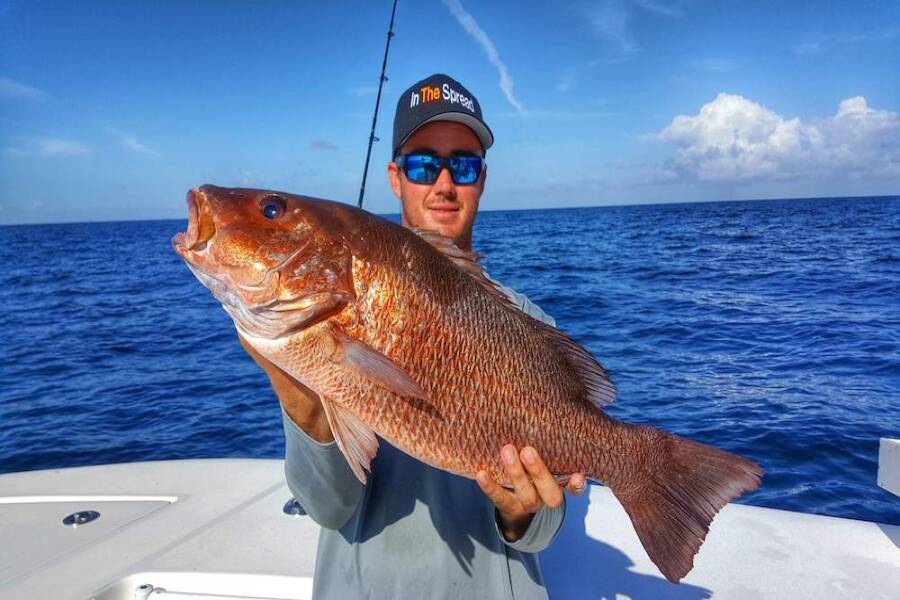
Chumming for Mangrove Snapper: Proven Techniques
Chumming for Mangrove Snapper: Techniques That Bring Fish to You
If you've ever watched mangrove snapper materialize out of nowhere the second chum hits the water, you know exactly why this technique is so effective. These fish are opportunistic predators that can't resist a steady stream of bait drifting past their hideouts, whether that's an inshore mangrove edge or an offshore oil platform in 100 feet of water.
Chumming for mangrove snapper works because it speaks their language: easy meals and competition. Once the scent trail reaches them, they move in fast and feed aggressively. The challenge isn't getting them to show up, it's keeping them around long enough to put fish in the cooler. Understanding how to set up an effective chum line, what baits work best, and where to position your boat makes the difference between a few bites and non-stop action.
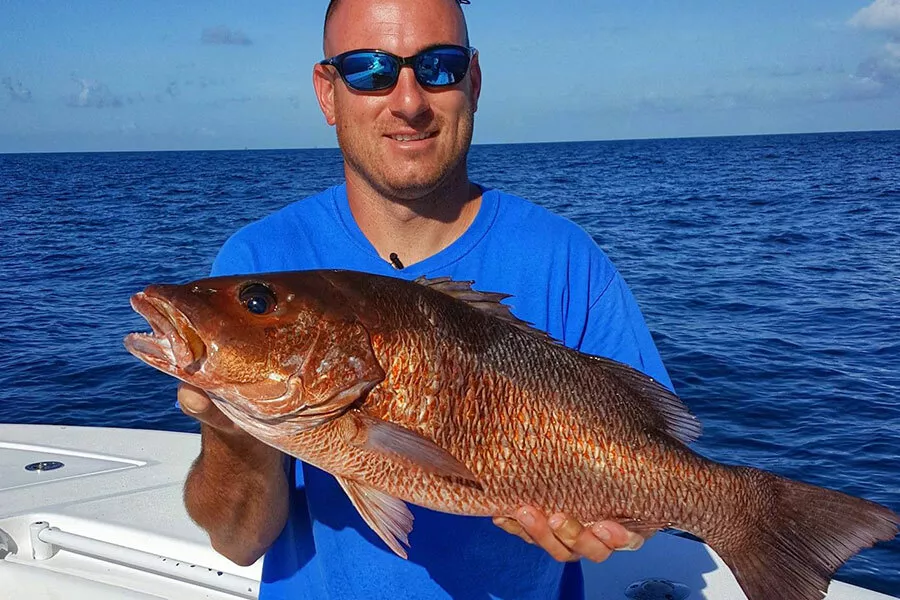
What Is Chumming and Why Does It Work for Mangrove Snapper?
Chumming is the practice of releasing bait into the water to attract fish to a specific area where you're fishing. You're essentially creating a feeding zone that pulls fish out of their normal patterns and concentrates them around your boat. For mangrove snapper fishing, this technique is particularly deadly because these fish are both aggressive and curious.
The basic concept is simple. You cut up baitfish, create a scent trail in the current, and let that trail drift back to where fish are holding on structure. When mangrove snapper encounter that stream of free food, their competitive nature kicks in. They know other fish are feeding, and they don't want to miss out.
What makes chumming so effective for mangroves specifically is their feeding behavior. Unlike some species that take their time investigating, mangrove snapper are typically the first fish to show up when chum hits the water. They're aggressive, they move in schools, and they feed opportunistically on anything that looks like an easy meal.
How Mangrove Snapper Behavior Makes Them Perfect for Chumming
Understanding what you're dealing with helps you fish smarter. Mangrove snapper (also called gray snapper or grovers) are part of the Lutjanidae family and they're found throughout the western Atlantic, from Massachusetts down to Brazil, including the entire Gulf of Mexico and Caribbean.
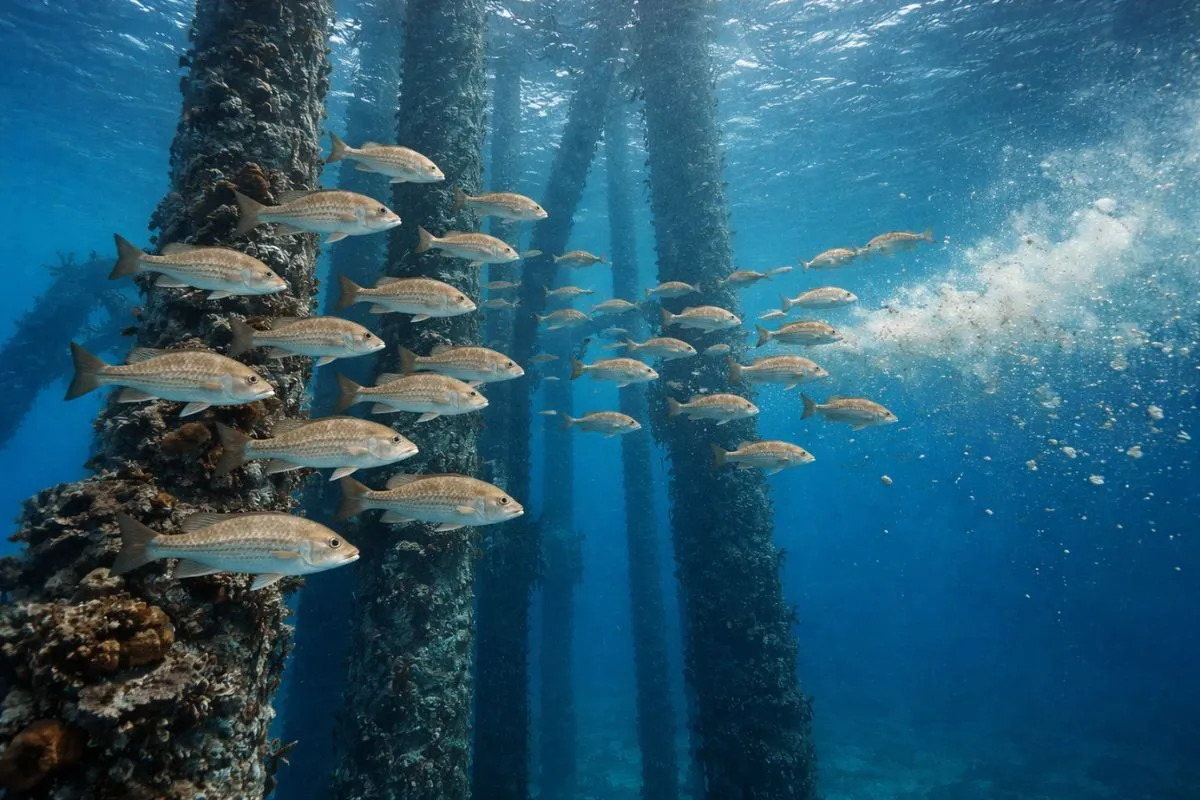
These fish are opportunistic predators that will chase down prey or ambush it using their natural camouflage against structure. They blend in with their surroundings, wait for something to drift by, then strike fast. Their diet includes small fish, shrimp, crabs, and just about anything else they can fit in their mouths.
Here's what matters for chumming: mangrove snapper are migratory, moving from shallow inshore waters as juveniles to deeper offshore structure as they mature. The bigger fish you're targeting on platforms and reefs have moved out there specifically because there's more food available. When you establish a chum line, you're giving them exactly what they're looking for.
Three Proven Chumming Methods for Mangrove Snapper
There are several ways to get chum in the water, and each has its advantages depending on where you're fishing and what kind of action you want to create.
Chunking: Large Pieces for Maximum Attraction
Chunking involves cutting baitfish into larger pieces and tossing them into the water. This method works well when you're trying to attract fish from a distance or when you're targeting bigger mangrove snapper that prefer substantial meals.
Grinding: Creating a Dense Scent Cloud
Grinding produces smaller, finer pieces of bait using a grinder or by working a chum block with a rasp. This method creates a denser scent cloud that disperses more widely in the current. The small particles stay suspended longer, creating a longer-lasting attraction trail.
Bagging: Controlled Release with Less Mess
Bagging involves placing chunks or ground bait into a mesh bag and hanging it off the side of your boat or dropping it near structure. The mesh allows scent to escape while controlling the rate of dispersal. This is the cleanest method and works great when you want a steady release without constantly throwing chum.
Inshore and Offshore Mangrove Snapper Fishing Courses

What You Need to Start Chumming for Mangrove Snapper
The equipment for chumming doesn't have to be complicated. Keep it simple and you'll spend more time fishing and less time fiddling with gear.
Best Bait Fish for Mangrove Snapper Chum
The most commonly used baitfish for chumming mangrove snapper include:
- Menhaden (pogies): Oily, creates strong scent trail
- Sardines (pilchards): Available fresh or frozen, excellent oil content
- Mackerel: Spanish or king mackerel cut into chunks works great
- Bonita: Oily flesh that disperses scent effectively
- Herring: Good option in northern Gulf and Atlantic waters
The Gulf Coast Secret: Macaroni and Crab Boil
Here's a technique that's absolutely deadly in Louisiana and works throughout the Gulf: cook macaroni in crab boil seasoning, then mix it with cut baitfish. I know it sounds strange, but mangrove snapper cannot resist this combination.
The crab boil creates an incredibly strong scent that carries far in the water. The macaroni gives you volume and helps disperse the scent, plus it's easy to handle and much cleaner than constantly working with messy fish. You can keep a large container of this mix on your boat and dispense it as needed without the constant cleanup that comes with chum blocks.
Chum Blocks and Fish Oil
Chum blocks are convenient but messy. You're constantly moving the block in and out of the boat, dealing with the residue, and they can be expensive if you're fishing regularly. They work, but for mangrove snapper chumming, the macaroni mix or fresh cut bait usually outperforms them.
Where to Chum for Mangrove Snapper
Location determines technique. The way you chum inshore along mangrove shorelines differs significantly from how you approach offshore platforms, but both environments produce excellent fishing when you dial in the approach.
Inshore Chumming Near Mangroves and Estuaries
Mangrove snapper get their name from their preference for mangrove-lined shorelines, especially as juveniles and smaller adults. These shallow coastal waters, typically with sandy or muddy bottoms, provide both food and protection.
When chumming inshore, you're working with shallower water, tighter structure, and often less current. Set up your chum line so it drifts past mangrove edges, oyster bars, or grass flat transitions where fish are holding. The key is positioning your boat so the chum reaches the structure without spooking fish off their holding spots.
Offshore Chumming on Platforms and Reefs
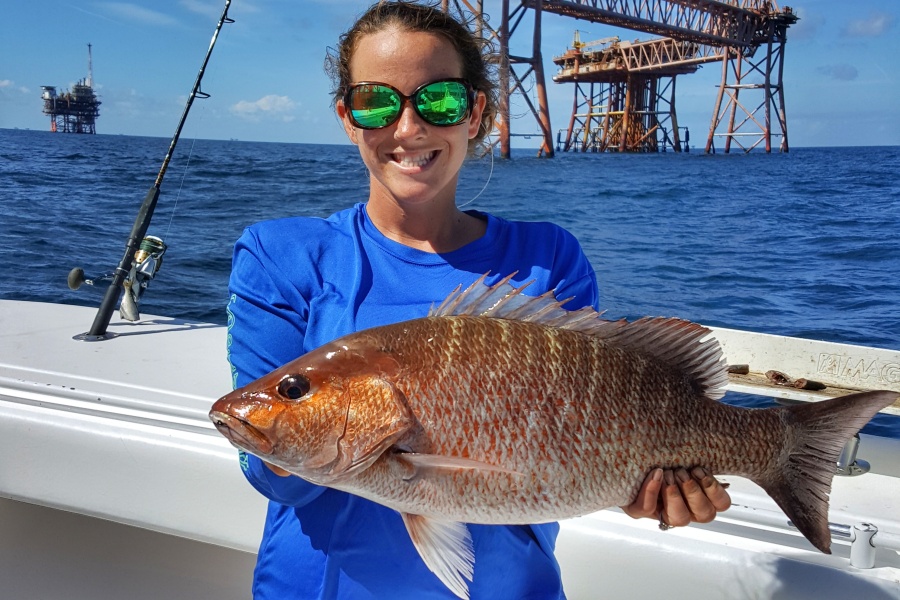
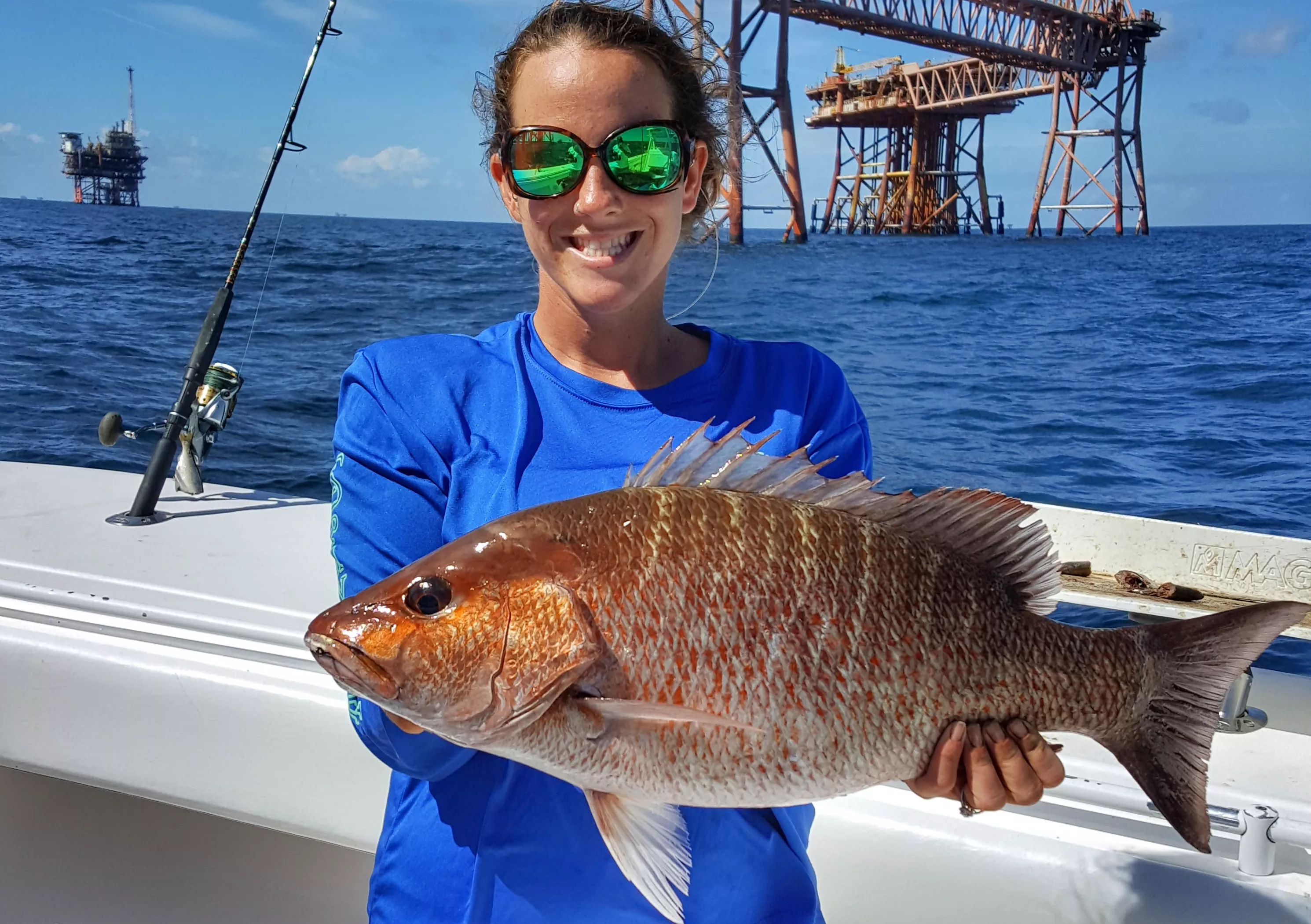
This is where chumming really shines. Offshore structure like oil platforms, reefs, and wrecks in 40 to 200 feet of water hold larger, more aggressive mangrove snapper. These mature fish have moved offshore specifically because there's more food available and better conditions.
The challenge with offshore structure is that fish can be spread out over a large area. You might have snapper at various depths on different sides of a platform, or scattered across a reef system. Chumming concentrates those fish and triggers competitive feeding.
Set up your chum line based on current direction. You want the scent trail drifting across the structure, pulling fish out of their hiding spots and bringing them to you. On platforms, you can chum multiple levels, bringing fish up from 100 feet to mid-water column where they're easier to target.
Understanding Mangrove Snapper Habitat Through Their Life Cycle
Knowing where these fish live at different stages helps you target them more effectively. Mangrove snapper spawn offshore, and their larvae drift with currents until they reach estuarine environments. This is where they settle as juveniles, growing up in the protection of mangrove roots and shallow grass flats.
As they mature, typically around 12 to 18 inches, they begin migrating offshore. They're seeking better temperature and salinity levels, more available food, and the kind of structure that provides both protection and feeding opportunities. This is why you find the biggest mangrove snapper around offshore platforms, deep reefs, and wrecks.
They prefer structure at every life stage. Inshore, that's mangrove roots, oyster bars, and rocky outcroppings. Offshore, they congregate around anything that breaks up the bottom: platforms, natural reefs, artificial reefs, and wrecks. This affinity for structure is exactly what makes chumming so effective, you can position yourself near that structure and pull fish out with your chum line.
Frequently Asked Questions About Chumming for Mangrove Snapper
What is the best chum for mangrove snapper?
The most effective chum combines small pieces of cut baitfish (menhaden, sardines, or mackerel) with shrimp, squid, and crabs. In the Gulf of Mexico, the absolute best approach is macaroni cooked in crab boil seasoning mixed with cut baitfish. This combination creates an incredibly strong scent trail that mangrove snapper cannot resist.
Does chumming work better inshore or offshore for mangrove snapper?
Chumming works effectively in both environments but serves different purposes. Inshore, it draws fish out from mangrove edges and grass flats in shallow water. Offshore on platforms and reefs, chumming concentrates scattered fish schools from a wide area, making your fishing much more productive. Offshore chumming typically requires more chum but produces larger fish and higher catch rates.
How long does it take for chum to attract mangrove snapper?
Mangrove snapper typically respond within 5 to 10 minutes once your chum line is established. They're usually the first species to show up and they come in aggressively. The key is being ready to fish immediately once you start seeing activity, because they can also be the first to leave if the action slows down or something spooks them.
Do you need fish oil when chumming for mangrove snapper?
No, fish oil is not necessary for mangrove snapper. While oil can attract some species from greater distances, mangroves respond much better to actual pieces of cut bait and the natural scent from fish, shrimp, and crabs. The physical particles in the water create both scent and visual attraction, which is more effective than oil alone.
What's the difference between chunking, grinding, and bagging for chum?
Chunking uses larger pieces of baitfish thrown directly into the water, creating both scent and visual attraction for bigger fish. Grinding produces smaller, finer particles that create a denser scent cloud and longer-lasting trail. Bagging involves placing chum in a mesh bag for controlled, steady release with minimal mess. Each method has advantages depending on current, depth, and whether you're fishing inshore or offshore.
Can you chum for mangrove snapper from shore?
Yes, shore-based chumming works well near mangrove shorelines, piers, bridges, and jetties where mangrove snapper hold. Use a chum bag or toss small pieces of cut bait uptide from where you're fishing. The key is establishing a scent trail that drifts past structure where fish are holding without using so much chum that you just feed them for free.
What time of day is best for chumming mangrove snapper?
Mangrove snapper feed throughout the day, but chumming tends to be most effective during periods of tidal movement, especially around dawn and dusk. Moving water helps disperse your chum and triggers feeding behavior. During midday slack tides, you may need more chum to get the same response, though fish will still feed if you put chum in front of them.
How much chum do you need for a day of mangrove snapper fishing?
For inshore fishing, 2 to 3 pounds of cut bait or a batch of the macaroni mix is usually sufficient for a half-day trip. Offshore on platforms or reefs, plan for 5 to 10 pounds depending on how long you're fishing and how many spots you plan to hit. The key is establishing a steady flow without overfeeding. You want fish competing for your baited hooks, not getting full on free chum.
Add Chumming to Your Mangrove Snapper Fishing Program
This approach to chumming for mangrove snapper has been proven on platforms from Louisiana to Florida, in shallow backcountry mangrove creeks, and everywhere in between. The technique works because it takes advantage of how these fish naturally feed: aggressively, competitively, and opportunistically. Set up your chum line correctly, position your boat where current and structure align, and you'll see exactly why chumming is one of the most effective methods for consistently catching mangrove snapper.
Seth Horne In The Spread, Chief Creator
Login
to leave a review.
User Reviews
There are no reviews yet.
Complete Dredge Pulley Setup Guide
Saltwater
12.28.2020
High Speed Wahoo Trolling Rig
Saltwater
09.07.2018

Best Bait for Wahoo
Saltwater
12.30.2023


Pinfish - A Comprehensive Guide
Saltwater
11.10.2023
0